


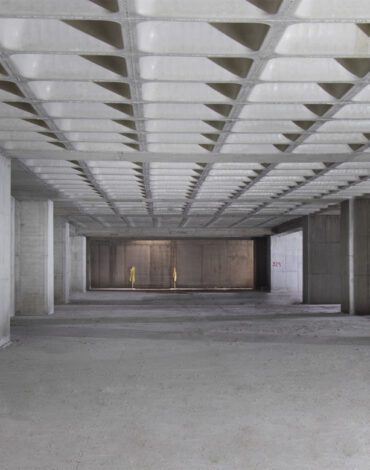
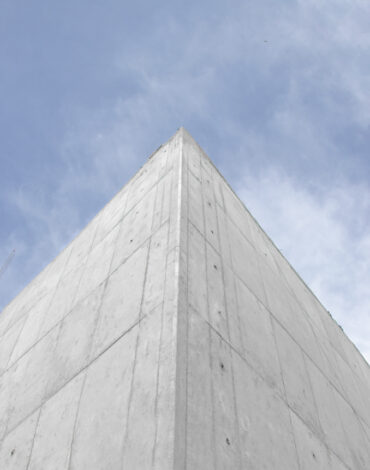
Exposed concrete has become increasingly popular in modern architecture and construction due to its aesthetic appeal and versatility. This material, also known as architectural concrete or fair-faced concrete, is left visible after the formwork is removed, showcasing its raw texture and natural beauty.One of the main advantages of exposed concrete is its durability and low maintenance requirements.
It can withstand harsh weather conditions and resist wear and tear, making it ideal for both interior and exterior applications. Additionally, exposed concrete offers excellent thermal mass properties, helping to regulate indoor temperatures and reduce energy costs.Architects and designers appreciate exposed concrete for its ability to create striking visual effects. The material can be molded into various shapes and forms, allowing for unique and innovative designs.

Textured finishes, pigments, and aggregates can be added to enhance its appearance and create custom looks.In construction, exposed concrete is commonly used for walls, floors, ceilings, and structural elements. It’s particularly popular in industrial and minimalist design styles, but can also be incorporated into more traditional or contemporary settings.
The material’s versatility allows it to complement other building materials such as wood, glass, and metal.While exposed concrete offers many benefits, it requires careful planning and execution during the construction process. Proper formwork, concrete mix design, and curing techniques are essential to achieve the desired finish and prevent surface defects. With the right approach, exposed concrete can create stunning architectural features that stand the test of time.