

Are you curious about the latest trends in architectural design? Look no further than exposed concrete. This versatile material is transforming the way we build and perceive structures. Let’s dive into the world of exposed concrete and explore its impact on modern construction projects.
What is Exposed Concrete?

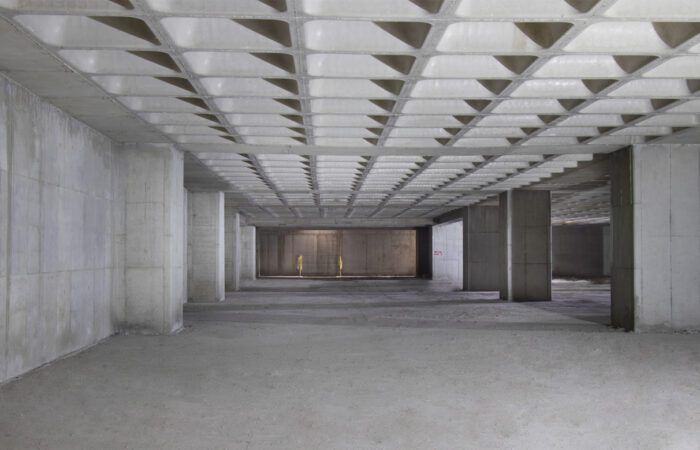
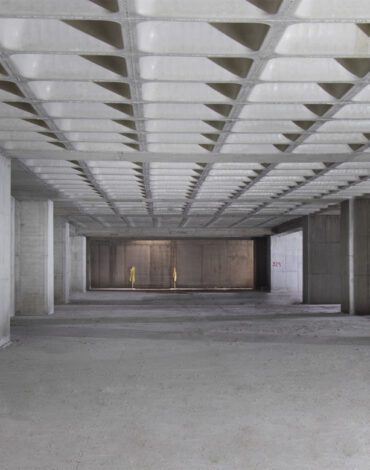
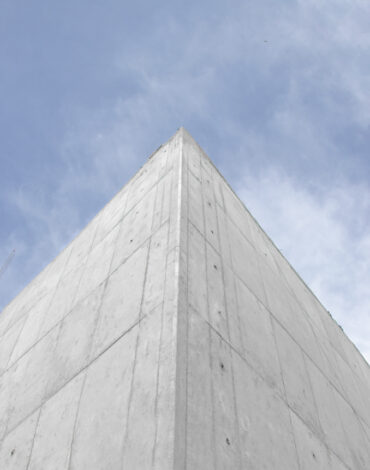
Exposed concrete, also known as architectural concrete, is a building material that serves both structural and aesthetic purposes. Unlike traditional concrete that’s hidden behind other finishes, exposed concrete is left visible, becoming an integral part of the building’s design.
Popular Applications in Construction Architects and builders are incorporating exposed concrete in various elements of their projects: – Walls – Floors – Columns – Ceilings – Facades
Iconic Buildings Showcasing Exposed Concrete Several renowned structures highlight the beauty and versatility of exposed concrete:
1. Unité d’Habitation, Marseille (1952)
2. Los Manantiales Restaurant, Mexico City (1958)
3. São Paulo Museum of Art (1968)
4. Portuguese Pavilion, Expo ’98, Lisbon (1998)
Benefits of Using Exposed Concrete
- 1. Aesthetic versatility
- 2. Durability
- 3. Thermal performance
- 4. Acoustic insulation
Challenges and Considerations While exposed concrete offers numerous advantages, it’s essential to consider:
- 1. Quality control
- 2. Maintenance requirements
- 3. Weathering effects
Conclusion
Exposed concrete continues to push the boundaries of architectural design and material innovation. Its combination of structural integrity and aesthetic appeal makes it a popular choice for modern construction projects worldwide. Are you considering using exposed concrete in your next building project? Share your thoughts and experiences in the comments below!